The Slump Ends: How Luxury Brands Are Adapting to the 2026 Retail Shift
Introduction
The global fashion landscape is undergoing a structural transformation. Having survived a prolonged economic slump, luxury fashion houses are abandoning outdated marketing methods to focus on the priorities of a new generation of buyers.
From digital collectibles to hyper-personalized retail, let's explore how brands are adapting to the retail environment of 2026.
The New Strategies for Growth
- Micro-Community Marketing: Instead of massive global campaigns, brands are hosting private, localized events for VIP clients and digital communities.
- Archival Resale Integration: Major brands are launching their own verified pre-owned platforms, capturing revenue from the booming vintage market.
- Interactive Retail: Physical stores are being transformed into entertainment spaces, featuring cafes, bookshops, and custom tailoring workshops.
Gen Z's Spending Habits
Gen Z consumers prioritize sustainability, inclusivity, and brand transparency. Brands that communicate their environmental initiatives and offer inclusive sizing are seeing faster recovery metrics than those relying solely on status and history.
Conclusion
The end of the luxury slump marks the beginning of a more conscious, interactive, and customer-focused fashion industry.
Related Articles
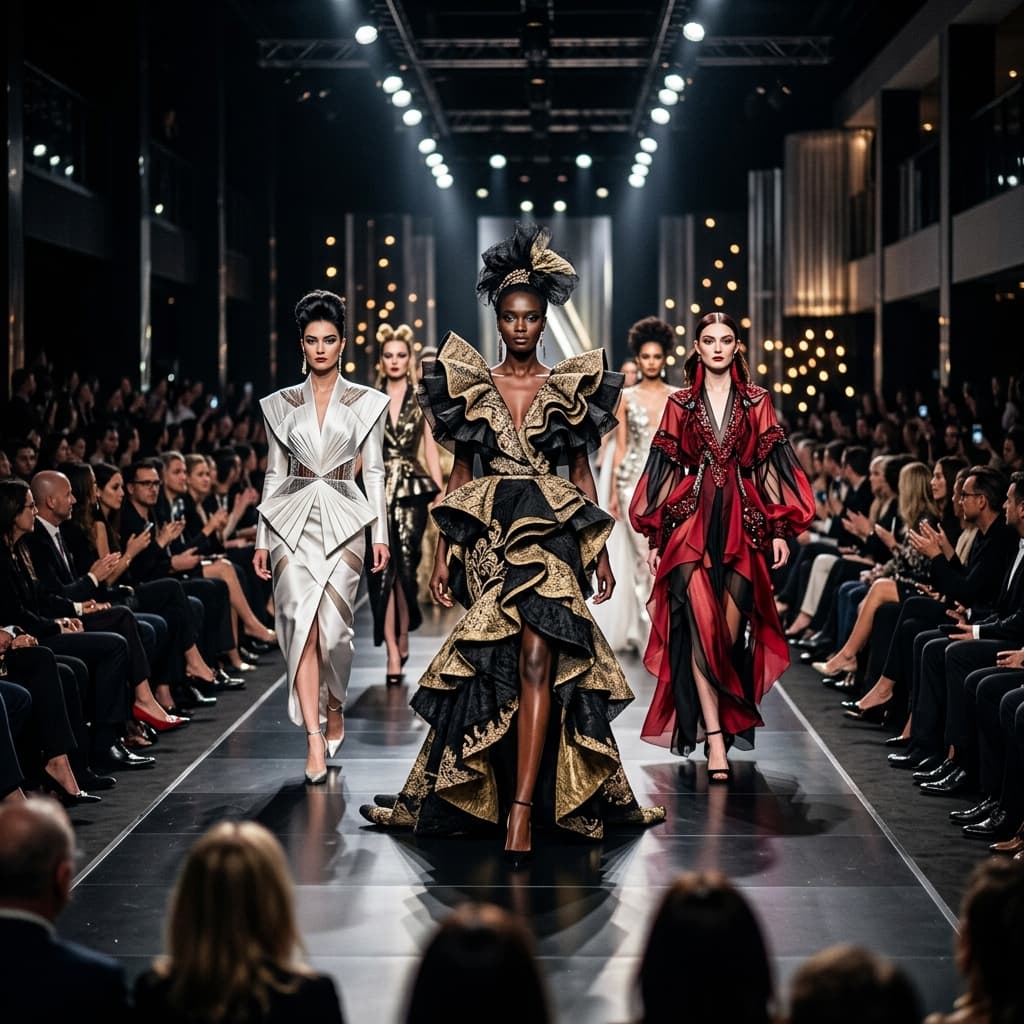
Zendaya Brings Paris Fashion Week to a Standstill with Vintage Couture
1d ago
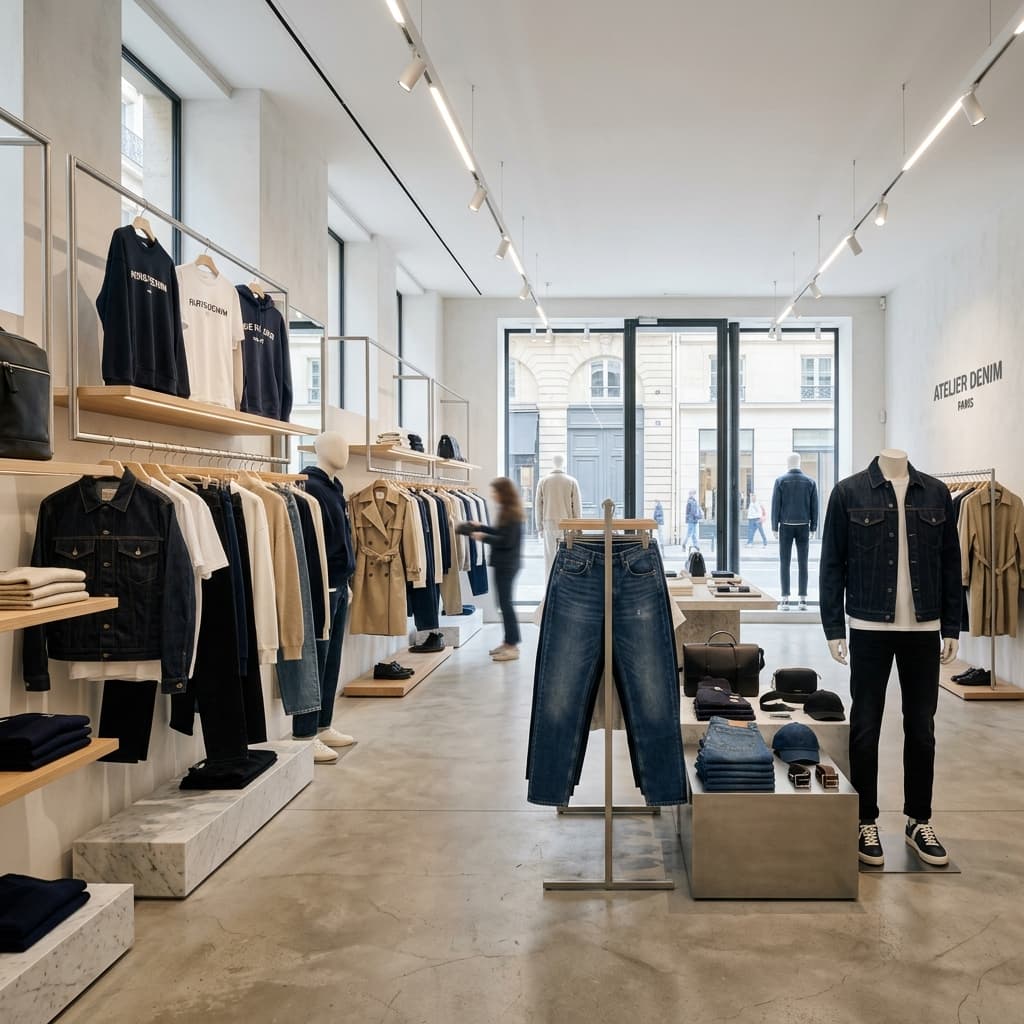
Gap and A.P.C. Unveil Highly Anticipated 37-Piece Limited-Edition Fashion Collection
1d ago
Sustainable Red Carpet Fashion: Designers Swap Synthetics for Plant-Based Fabrics
August 23, 2026
Top Celebrity Sneaker Collaborations Reshaping Streetwear This Season
August 23, 2026