
Introduction
The global luxury fashion sector is finally showing signs of a strong recovery following a prolonged period of stagnant sales and rising costs. A new industry report indicates that major fashion conglomerates are returning to growth, driven by key updates in pricing strategies and renewed demand in premium markets.
Let's explore the metrics and strategies behind the luxury market's turnaround.
Key Drivers of the Recovery
- The Focus on "Quiet Luxury": Consumer preferences have shifted back to high-quality, unbranded staples, prompting fashion houses to prioritize craft and materials.
- Optimized Pricing: Brands have corrected aggressive price hikes, introducing accessible entry-level accessories to win back aspirational buyers.
- Resilient Premium Demographics: High-net-worth consumers continue to drive sales for exclusive products, including watches, fine jewelry, and leather goods.
Regional Performance Metrics
The recovery is led by strong retail performance in Japan, the United States, and emerging markets in the Middle East, offset by a slower recovery in European tourism retail.
Conclusion
The luxury fashion sector's rebound shows that adaptability, product quality, and customer experience are essential to navigating macroeconomic shifts.
Related Articles
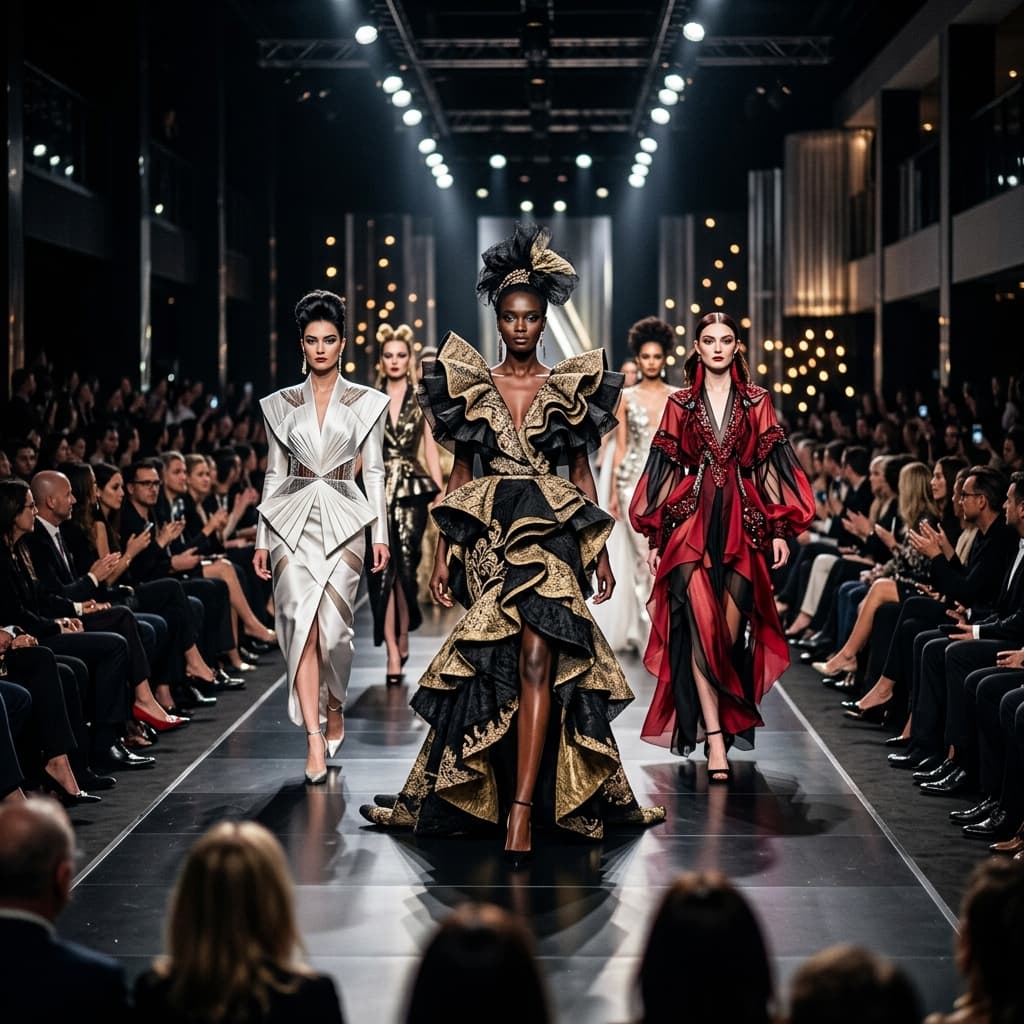
Zendaya Brings Paris Fashion Week to a Standstill with Vintage Couture
1d ago
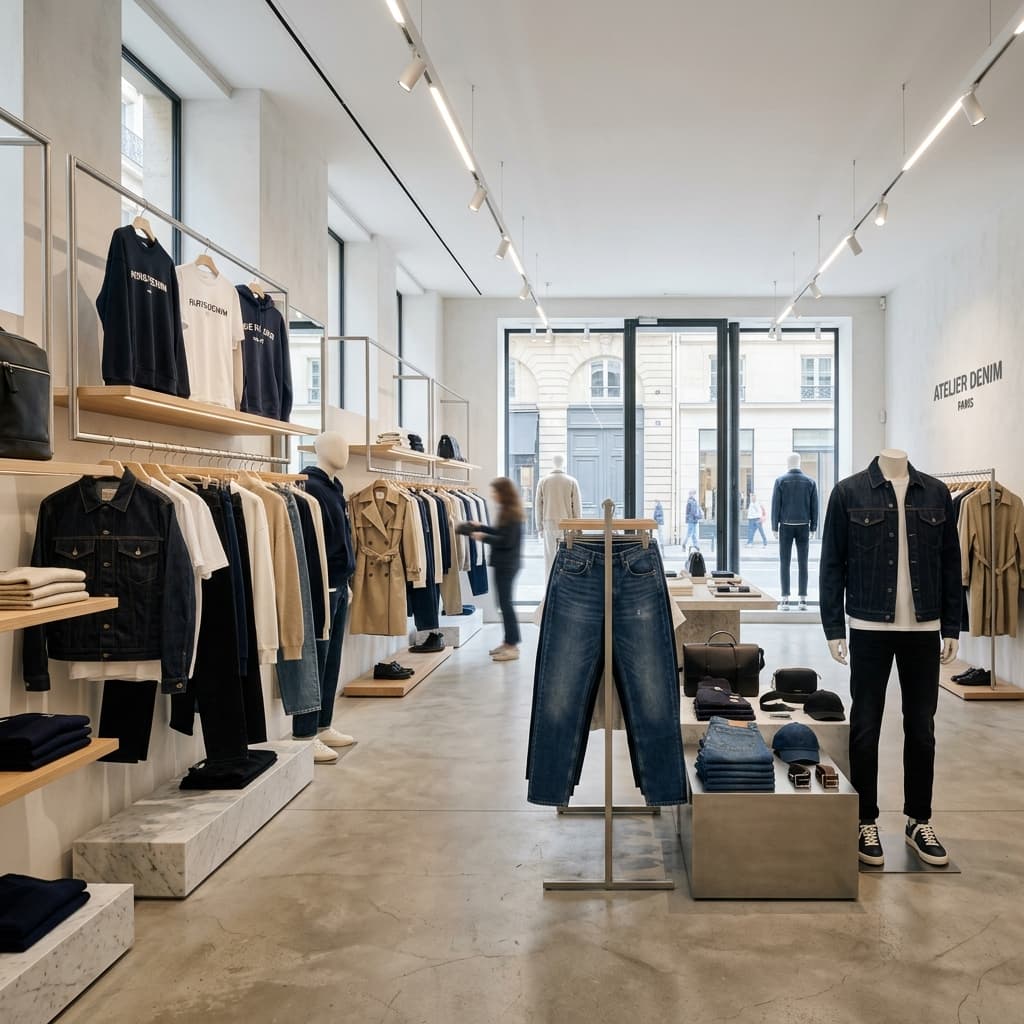
Gap and A.P.C. Unveil Highly Anticipated 37-Piece Limited-Edition Fashion Collection
1d ago
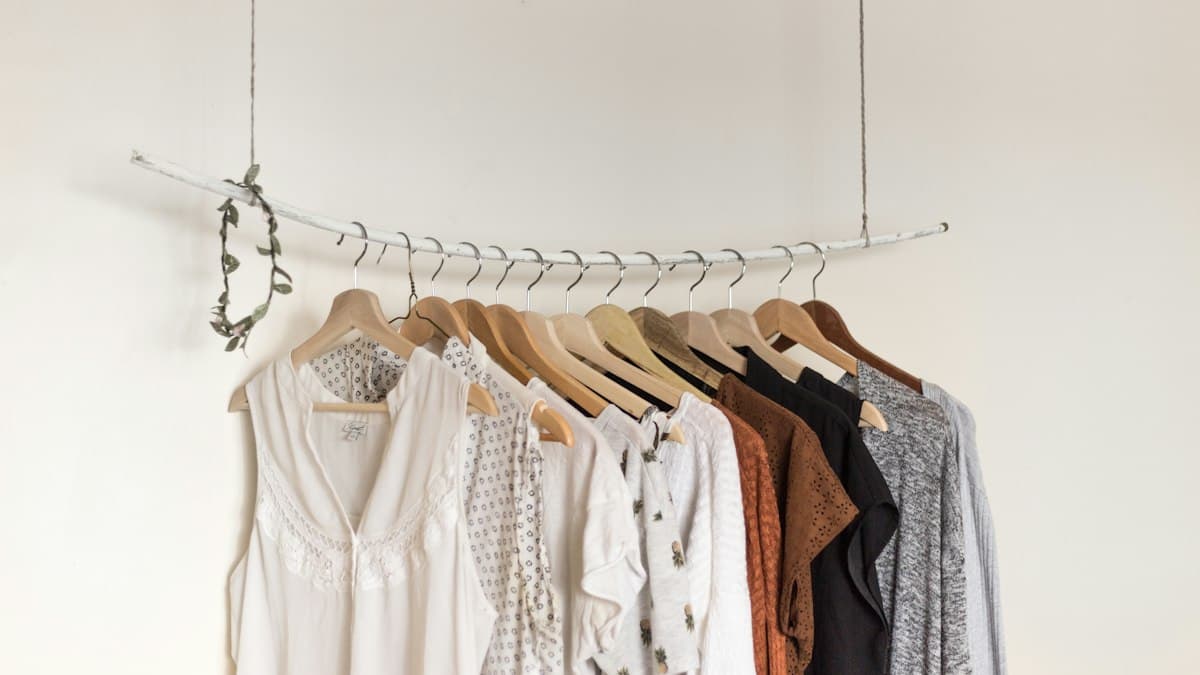
Sustainable Red Carpet Fashion: Designers Swap Synthetics for Plant-Based Fabrics
August 23, 2026

Top Celebrity Sneaker Collaborations Reshaping Streetwear This Season
August 23, 2026