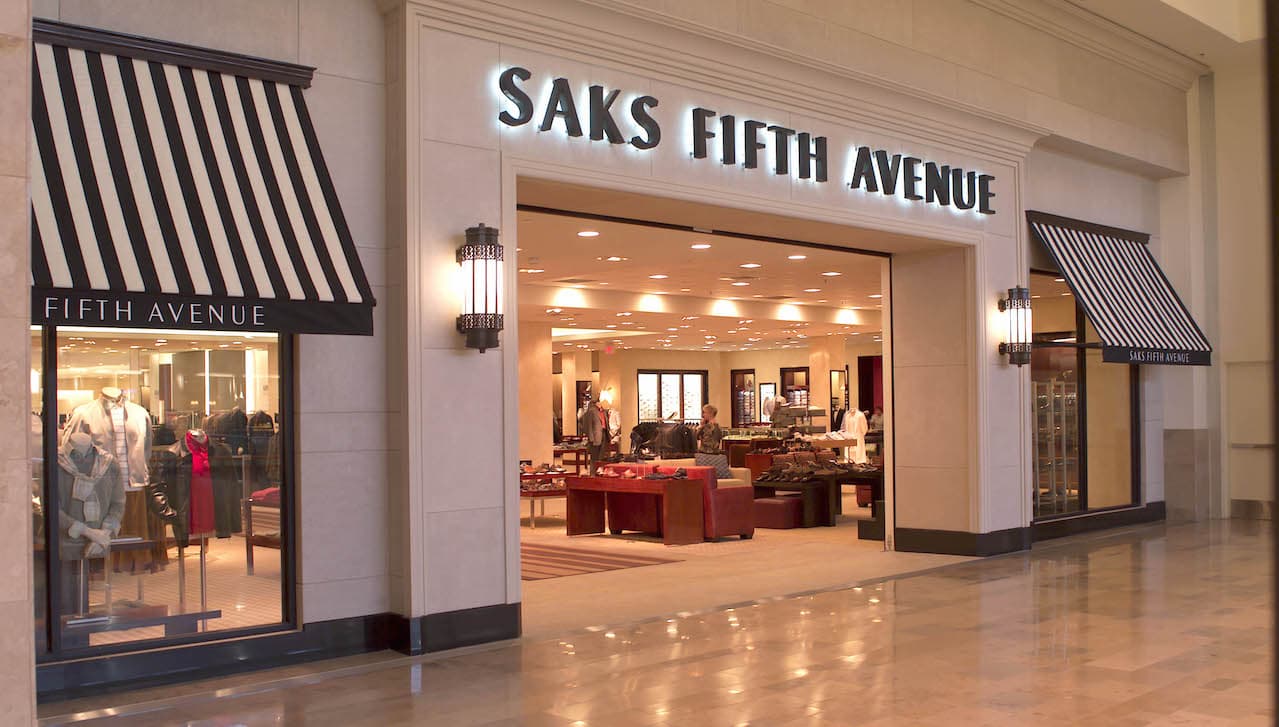
The End of an Era?
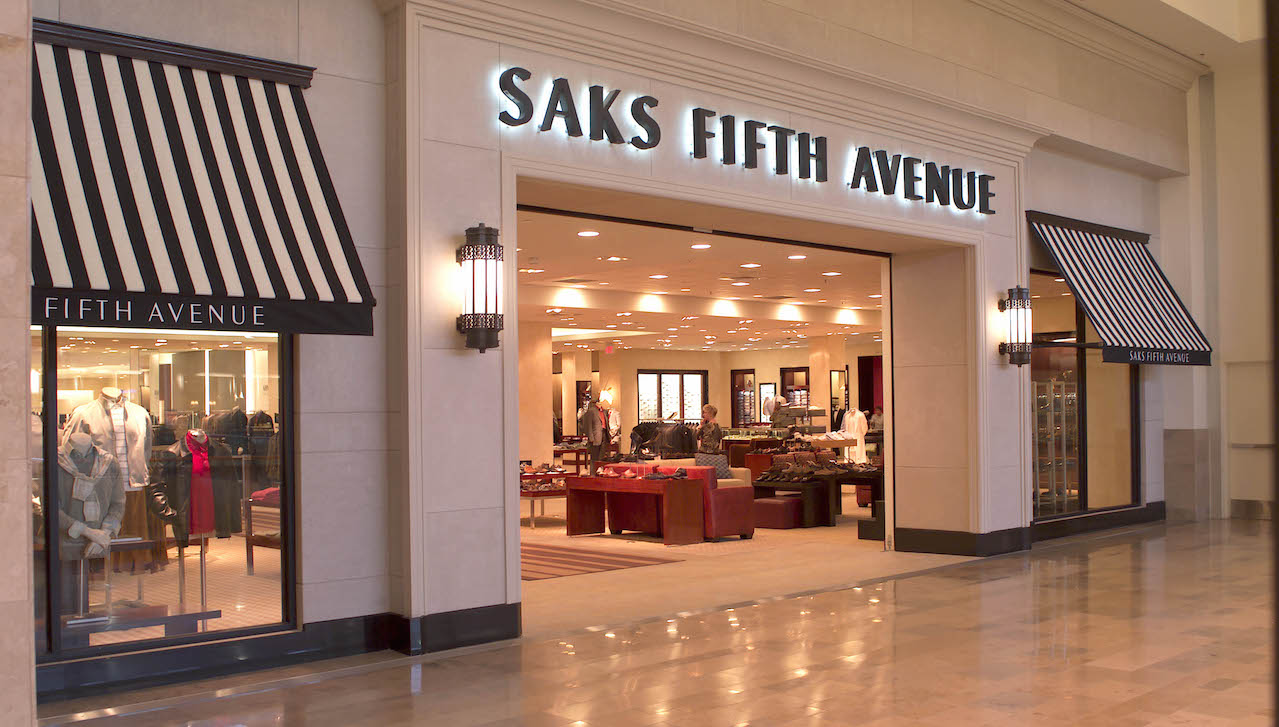
It was supposed to be the merger that saved the department store. Two years ago, Saks Fifth Avenue merged with Neiman Marcus in a multi-billion dollar deal designed to create a luxury monopoly.
Yesterday, they filed for Chapter 11 bankruptcy.
Identifying the Cracks
How did it go so wrong, so fast?
- Debt: The merger was leveraged with massive debt that became unmanageable when interest rates stayed high.
- The Vendor Revolt: Major brands (like Gucci and Prada) grew tired of late payments and began pulling stock or demanding cash up front. Empty shelves don't sell clothes.
- The E-Commerce Shift: The "Saks.com" spinoff confused customers and diluted the brand value.
What Now?
The stores will remain open for now, but the future is bleak. This likely signals the final death knell for the traditional American department store model. The brands hold the power now, selling Direct-to-Consumer (DTC). They don't need the middleman anymore.
Read our deep dive into the luxury retail crisis.
Related Articles

Fashion
Zendaya Brings Paris Fashion Week to a Standstill with Vintage Couture
1d ago

Fashion
Gap and A.P.C. Unveil Highly Anticipated 37-Piece Limited-Edition Fashion Collection
1d ago

fashion
Sustainable Red Carpet Fashion: Designers Swap Synthetics for Plant-Based Fabrics
August 23, 2026

fashion
Top Celebrity Sneaker Collaborations Reshaping Streetwear This Season
August 23, 2026