McKinsey's controversial new AI Interview Tool: A Revolution in Hiring or a Barrier to Entry?


The Algorithms Are Hiring
In a move that has sent shockwaves through the corporate world and anxiety through the hearts of MBA graduates everywhere, McKinsey & Company has reportedly begun testing a mandatory AI-driven tool for its preliminary job interviews. The prestigious consulting firm, known for its rigorous and often intimidating interview processes, is now turning to artificial intelligence to sift through the thousands of hopefuls vying for a spot in its ranks.
This development marks a significant pivot in high-stakes recruitment. For decades, the "McKinsey Case Interview" has been the gold standard of consulting hiring—a human-led interrogation of a candidate's problem-solving abilities, poise, and analytical rigor. Now, candidates might find themselves pitching their frameworks not to a partner in a bespoke suit, but to a camera lens and a sophisticated neural network.
"It's efficient, yes. But is it effective? Can an algorithm truly measure the 'airport test'—the intangible quality of whether you'd stand being stuck in an airport with this colleague for five hours?" — Anonymous Former Partner
The "Mandatory" AI Tool
Reports indicate that applicants are being asked to engage with an AI chatbot or video analysis tool that assesses everything from their verbal reasoning to their facial micro-expressions. If a candidate cannot—or refuses to—use the tool, their application is effectively dead in the water. "No hiring," as some headlines bluntly put it.
This "my way or the highway" approach is characteristic of elite firms that can afford to be choosy, but it raises ethical questions. Is it fair to mandate a technology that is still prone to bias? What about neurodivergent candidates whose facial expressions or speech patterns might not align with the AI's "ideal" baseline?
How It Works (Allegedly)
While McKinsey stays tight-lipped about the proprietary mechanics, industry experts suggest the tool likely evaluates:
- Keyword Density: Ensuring the candidate uses the specific lexicon of consultancy (e.g., "MECE", "synergy", "optimization").
- Sentiment Analysis: Gauging the confidence and positivity of the candidate's tone.
- Logical Structuring: Analyzing the transcript to see if the answer follows a logical flow (Situation, Complication, Resolution).
- Behavioral Cues: Tracking eye contact (with the camera) and posture.

The Human Element: Lost or Redefined?
Proponents argue that AI removes human bias—the tendency for interviewers to hire people who look or sound like themselves. An AI doesn't care if you went to the same prep school or play the same sport. It cares about data.
However, critics argue it introduces algorithmic bias. If the AI is trained on data from successful past hires—who have historically been predominantly white and male—it may penalize candidates who don't fit that mold, even if they are equally qualified.
"We are automating the gatekeeping. If we aren't careful, we are just scaling up our own prejudices at the speed of light." — Dr. Elena Rodriguez, AI Ethics Researcher
Candidate Reactions
The response from the talent pool has been mixed, leaning towards terrified.
- The Optimists: See it as a chance to practice and perfect their pitch without the nervousness of a live audience.
- The Skeptics: Worry about technical glitches. "What if my internet cuts out? Does the AI think I'm 'lacking urgency'?" asks one Reddit user on r/consulting.
- The Purists: Believe consulting is a people business, and if you can't charm a human, you can't do the job.
Expert Analysis: The Future of Interviews
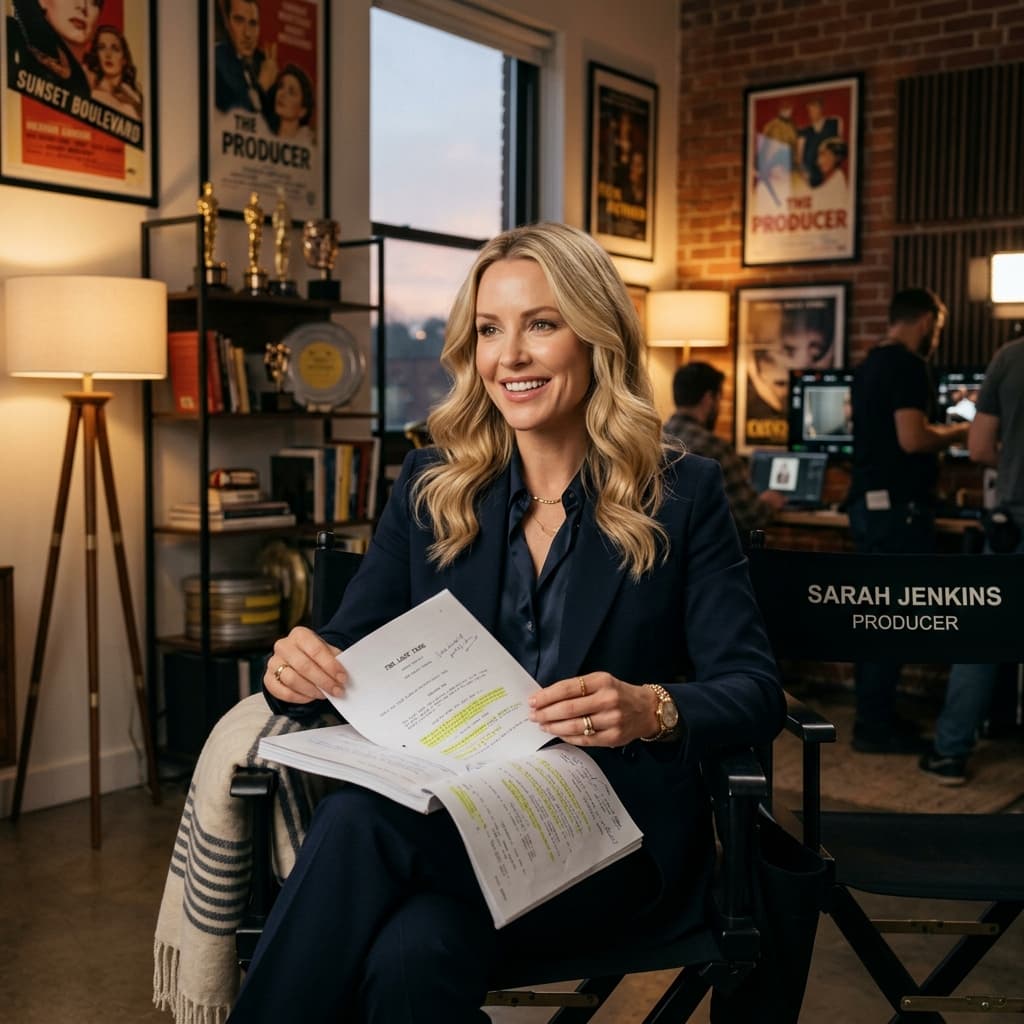
We spoke with Sarah Jenkins, a global recruitment strategist, about this trend.
Q: Is this the end of the human interview? Jenkins: "No. It's the end of the first interview. The screening call. Humans are expensive. Partners charge thousands of dollars an hour. Spending that time on a first-round interview with a candidate who clearly isn't a fit is bad business. The AI is the filter. The humans will still make the final call."
Q: What advice do you have for candidates facing an AI interviewer? Jenkins: "Treat it like a human, but clearer. Enunciate. Structure your answers with clear 'signposting'—first, second, third. AI loves structure. And smile. Even robots like a friendly face."
Conclusion
McKinsey's move is likely just the beginning. As AI tools become cheaper and more sophisticated, we can expect them to trickle down from elite consulting into tech, finance, and eventually, everyday corporate hiring. The interview of the future might just be you and a machine, trying to convince a black box that you are human enough for the job.
Further Reading
Disclaimer: This article reports on current trends and news items. Specific details of McKinsey's proprietary tools may vary.
Related Articles

Ryan Reynolds Gets Candid About the Future of the Deadpool Franchise
1d ago
Exclusive: Margot Robbie Discusses the Future of Female-Led Cinema
1d ago
Austin Butler Shares Deep Character Work Techniques & Method Acting Balance
August 23, 2026

Margot Robbie Details LuckyChap’s Production Slate & Supporting Director Vision
August 23, 2026