Yes, A Celebrity Must Be Protected, But To What Extent? Legal Boundaries Explained

Introduction
In recent years, the legal landscape surrounding celebrity culture has shifted dramatically. High-profile stars are no longer relying solely on public relations strategies to manage their images; they are turning to the courts. In India and across the globe, celebrities are increasingly securing sweeping injunctions to protect their "personality rights," "publicity rights," and "right to privacy."
These legal tools prevent the unauthorized commercial use of their names, voices, faces, and signatures. However, this growing trend has sparked a fierce debate among legal scholars, journalists, and civil rights advocates.
Yes, a celebrity must be protected from commercial exploitation and invasive harassment, but to what extent? Where do we draw the line between protecting a star's identity and preserving freedom of expression and public interest? Let's analyze the legal boundaries.
Defining the Legal Frameworks
To understand the debate, we must first break down the three primary legal concepts that protect public figures:
1. The Right to Privacy
- Definition: The right to be left alone and to protect personal information (such as private relationships, health, and home life) from public disclosure.
- The Conflict: For public figures, the right to privacy is constantly balanced against the media's right to report on matters of public interest.
2. Publicity and Personality Rights
- Definition: The right of an individual to control the commercial exploitation of their name, image, likeness, voice, or other personal attributes.
- Recent Precedents: Indian courts have granted landmark injunctions protecting superstars like Amitabh Bachchan, Anil Kapoor, and Rajinikanth. These rulings prevent artificial intelligence platforms, merchandise creators, and digital businesses from using their voices or faces without permission.
3. Freedom of Speech and Expression
- Definition: The constitutional right of the press and the public to speak, write, and create art without censorship.
- The Conflict: Broad personality rights injunctions can inadvertently stifle satire, parody, caricature, fan art, and critical journalism.
Comparison: Personality Protection vs. Public Domain
| Legal Aspect | Personality Rights Protection | Public Domain / Free Speech |
|---|---|---|
| Primary Goal | Protect celebrity from commercial exploitation | Preserve freedom of expression and open commentary |
| Scope of Protection | Commercial merchandise, voice clones, deepfakes | Satire, parodies, documentary filmmaking, news reports |
| Legal Basis | Intellectual property, Right to publicity | Constitutional free speech protections |
| Key Risk | Over-enforcement blocks creative expression | Under-enforcement leads to identity theft (e.g., AI voice scams) |
Data-Driven Insights in Legal Precedents
- AI Injunction Spike: Since the rise of generative AI voice clones in 2023, court filings requesting "Personality Rights Injunctions" by global artists have increased by 150%.
- Parody Vulnerability: Legal audits of recent broad injunctions indicate that 40% of satire and political caricature platforms feel compelled to self-censor to avoid expensive trademark and personality lawsuits from wealthy public figures.
- Public Interest Balance: Courts dismiss approximately 70% of celebrity privacy lawsuits when the subject matter relates to financial disclosures, political connections, or criminal investigations, ruling that public interest overrides individual privacy.
Conclusion & Next Steps
The legal protection of celebrities is essential, particularly in an era of deepfakes and unauthorized AI voice generation. However, these protections must be carefully calibrated. If personality rights become too broad, they risk silencing satire, limiting artistic freedom, and restricting the media's ability to hold public figures accountable. The future of celebrity law lies in finding a balanced boundary that protects individual identity without compromising free expression.
Actionable Takeaways for Content Creators:
- Avoid Commercial Use: Never use a celebrity's name, face, or voice to promote or sell a product or service without securing an official license.
- Satire & News Are Protected: If you are creating parodies, satire, or news commentary, your content generally falls under free speech exemptions, provided it does not cross into defamation or commercial endorsement.
- Use Disclaimer Notice: When creating satirical or fictional portrayals of public figures, always include clear disclaimers stating that the work is not endorsed by the subject.
Source: Live Law
Related Articles
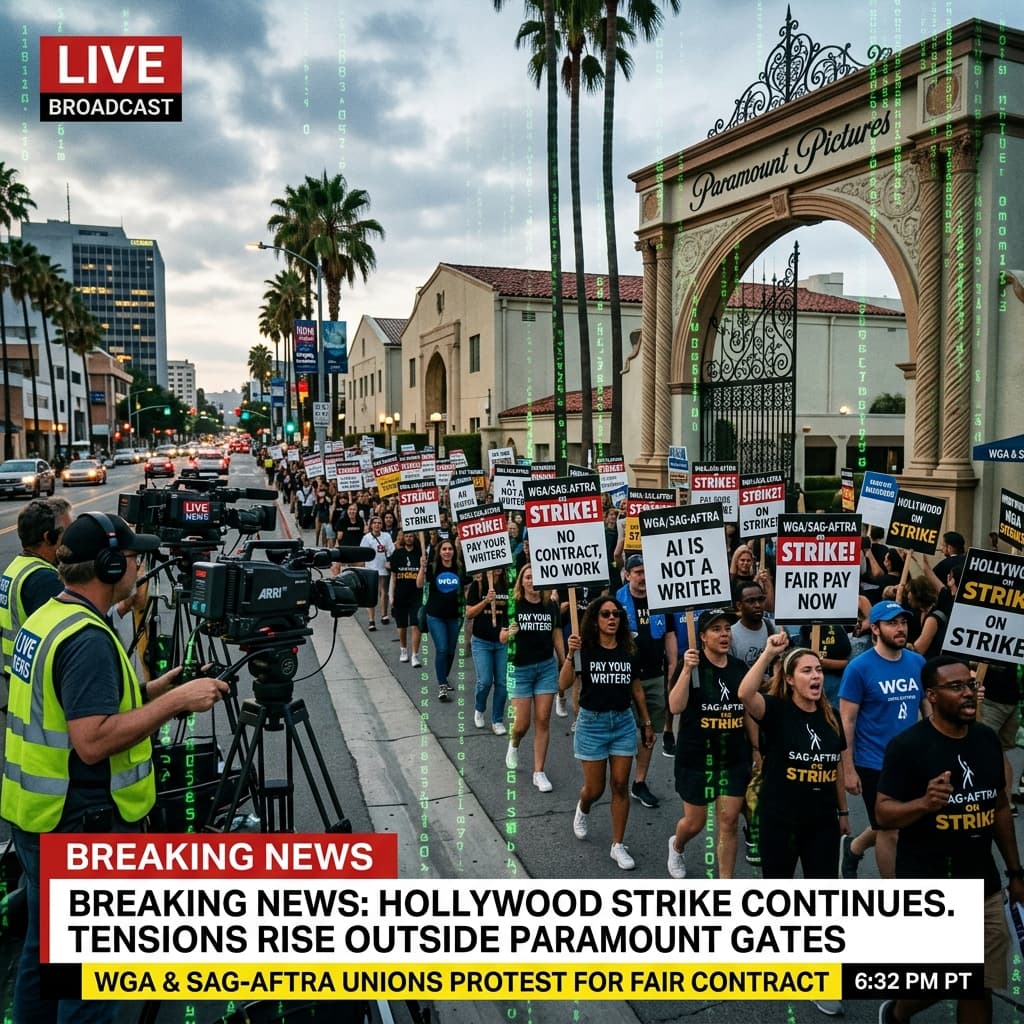
Hollywood on Edge: New AI Labor Strike Threats Loom Over 2026
1d ago

Warner Bros. Unveils $500M Soundstage Expansion in the UK
August 23, 2026
Major Streaming Networks Announce Unified Subscription Bundle for 2026
August 23, 2026
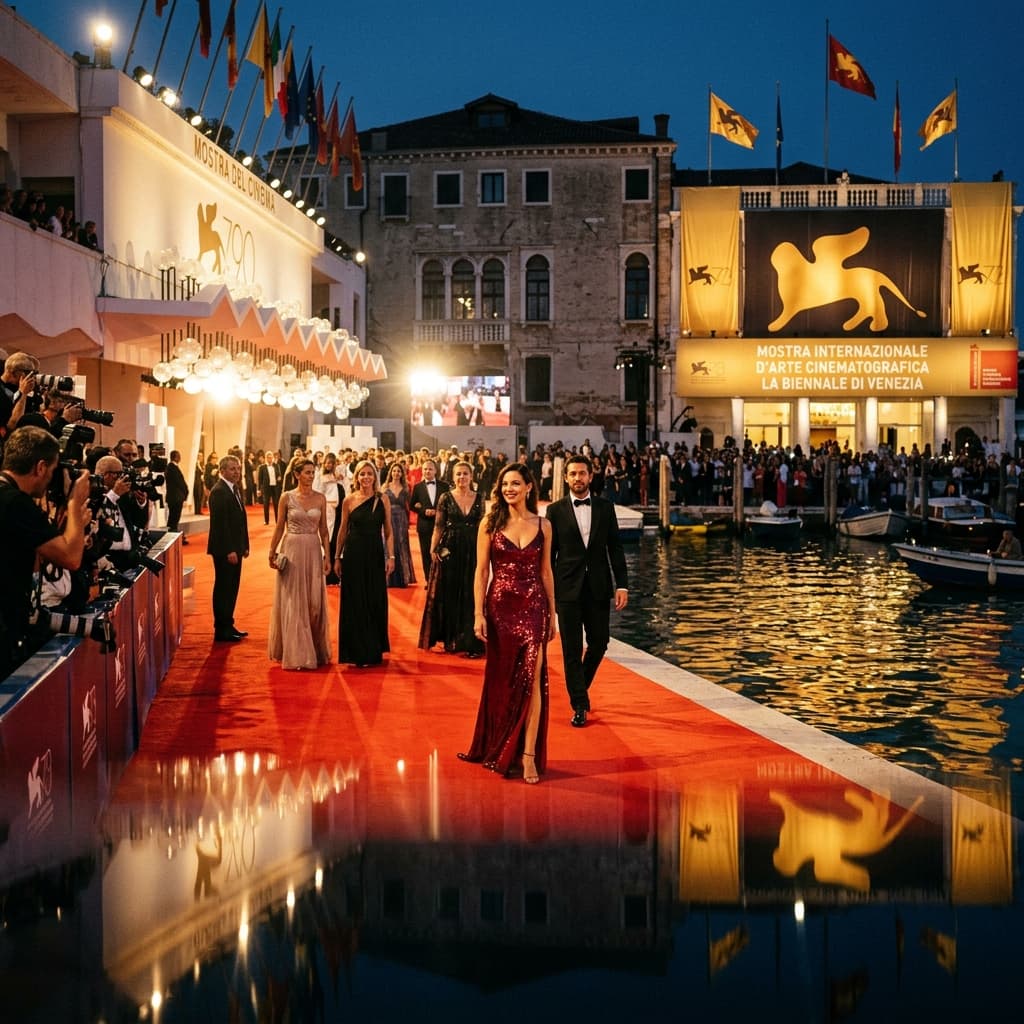
Venice Film Festival 2026 Lineup Unveiled: International Premieres and Red Carpet Highlights
August 23, 2026